
Wait! My Soy Sauce Contains Alcohol?

When I think of fermentation, my first thought goes to alcoholic beverages. But fermentation is actually involved in the production of many more food products like yeasted bread, soy sauce, kimchi and kombucha.
Alcoholic fermentation is the process of converting starches or sugars into alcohol and carbon dioxide. This process is most commonly associated with the production of beer, wine and liquor where yeast is breaking down carbohydrates to produce energy. A great way to visualize the effect process is through maintaining a sourdough starter used to make sourdough bread. The sourdough starter used in this experiment contains yeast, flour and water. After letting it sit on the counter for two days it looks like batter in the jar, the yeast is dormant because it has depleted the available sugars. The fermentation process is reactivated by adding more flour and water to the starter. Within a couple of hours, you will be able to visualize the effects of fermentation and will see CO2 bubbles forming in the jar and the volume of the starter will rise (depicted in the photo below).

So if there’s alcohol in fermented foods, will it get me drunk? No, the alcohol content is very low and would require consumption of a large amount of the fermented food.
These thoughts led me to my next experiment which was to test the ethanol content in my sourdough starter, kimchi, and soy sauce. I prepared a 5-point calibration curve ranging from 0.3125% to 5% ethanol in water, ran on the following method parameters and generated the calibration curve on the Lucidity GC-FID.
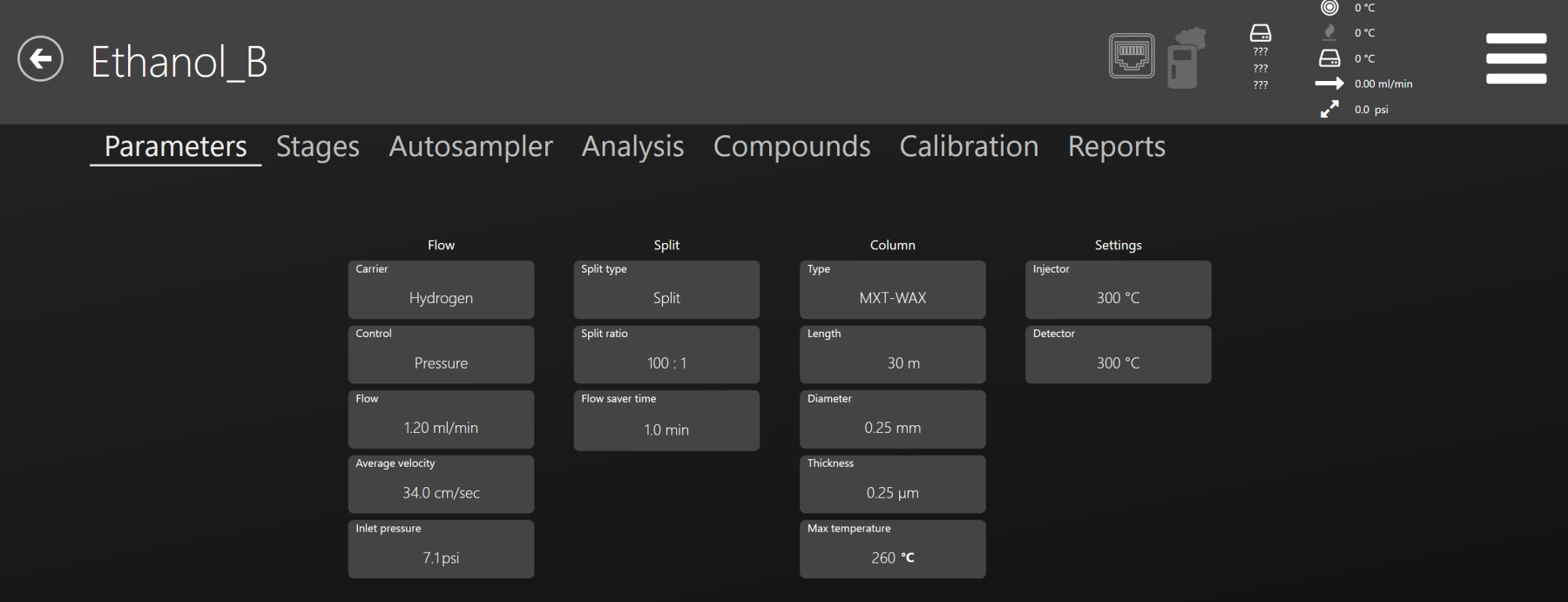
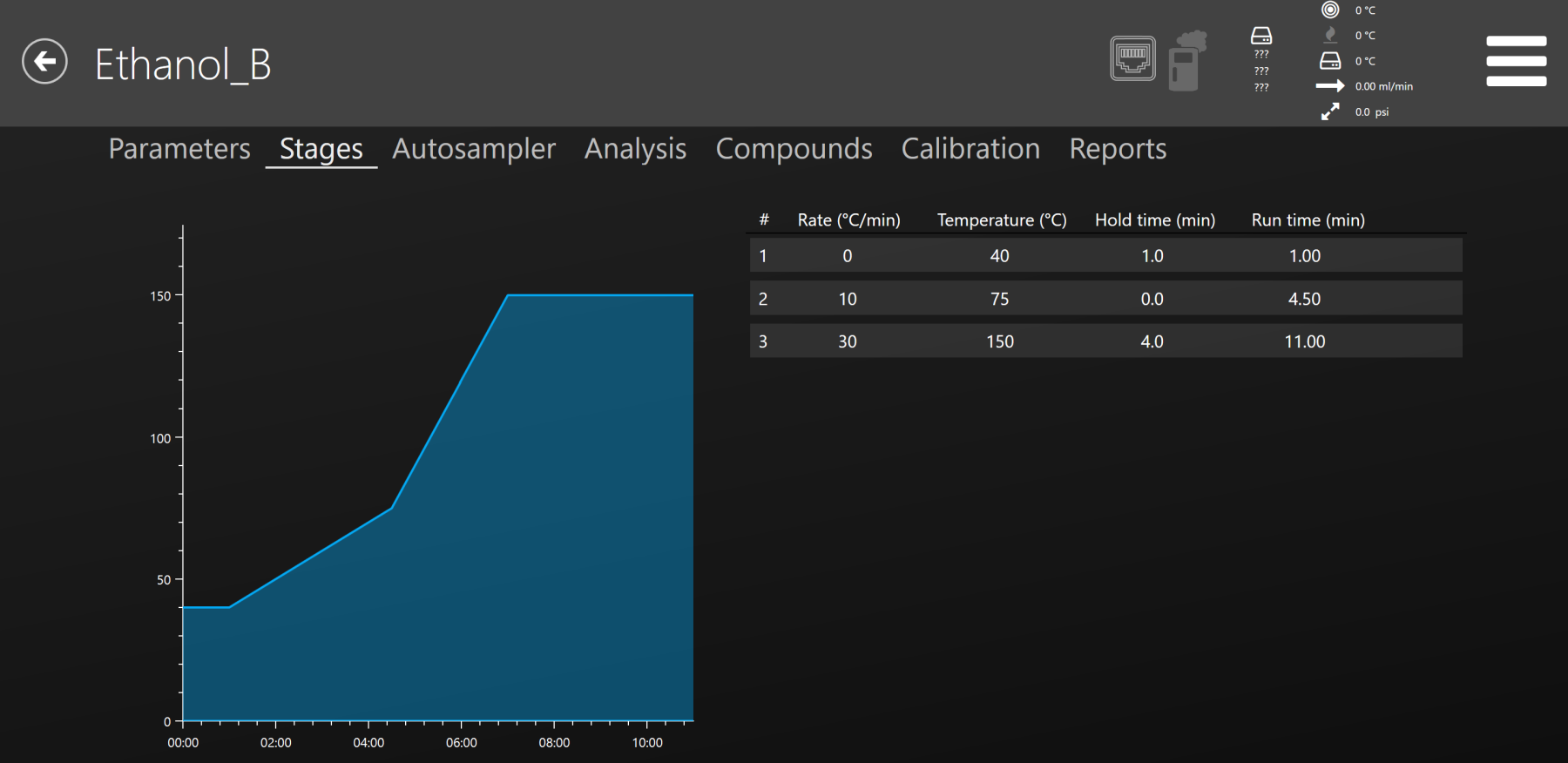

The software calculated the ethanol content as compared to the calibration curve. I multiplied those results by the corresponding dilution to get the final concentration of ethanol in fermented food.
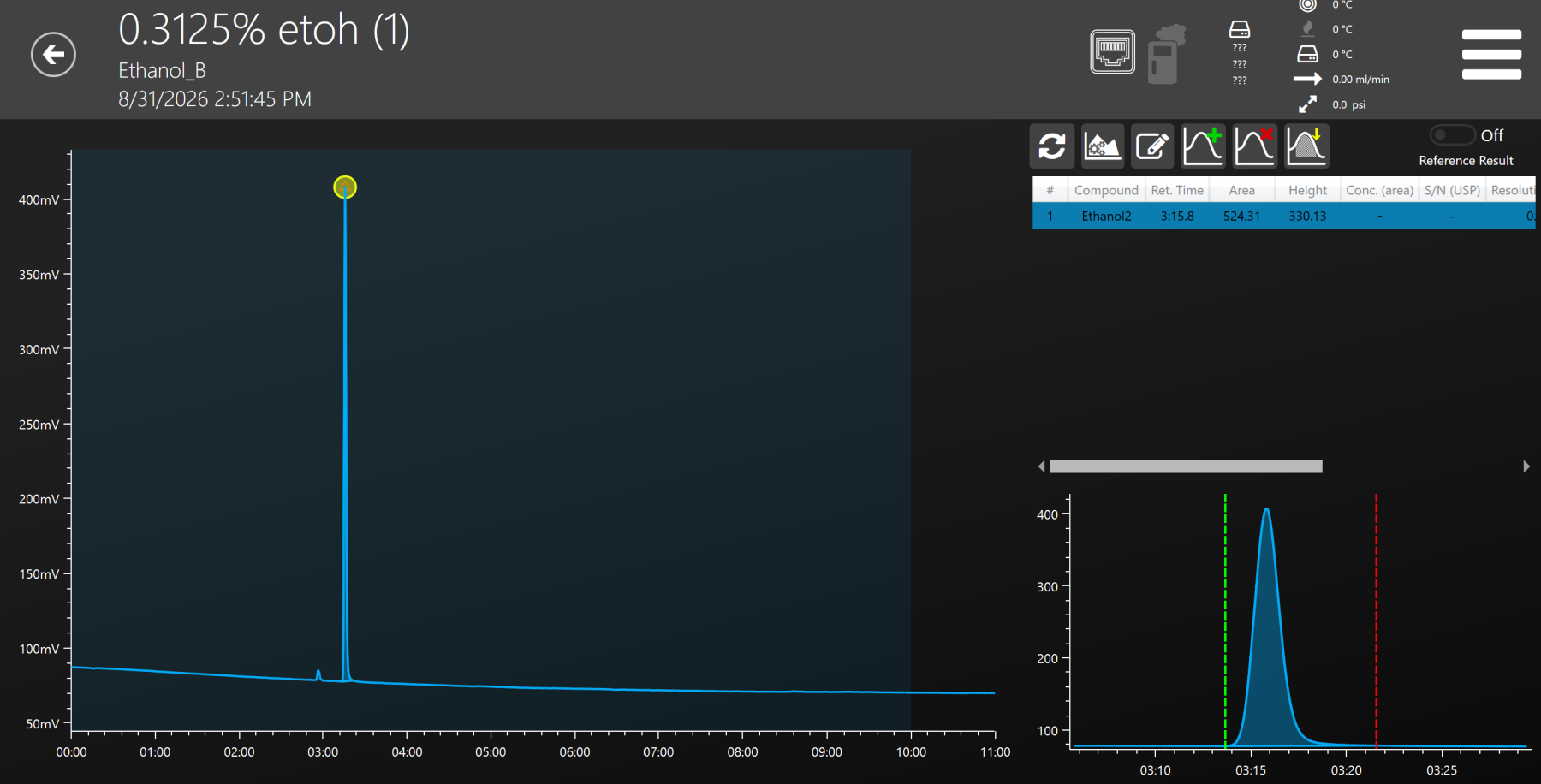
Soy Sauce: 3.378% ethanol
Sourdough Starter: 0.984% ethanol
Kimchi: 0.936% ethanol
The Lucidity GC-FID was able to efficiently detect and quantify the ethanol content in fermented food! Reach out to us for a quote, virtual demo or more information about possible applications!