Life’s Too Short To Be Plain Vanilla!

Vanilla is a well-known scent and flavor that everybody can recognize. But what we can’t always recognize is whether vanilla is natural or synthetic. Vanillin is the primary component of natural vanilla but can also be synthetically made. Ethyl vanillin is a derivative that is used instead of vanillin because it is stronger and sweeter, making it a common choice for perfumes and food flavorings.
Structurally, the only difference between the two compounds is that ethyl vanillin has an ethoxy group. The presence of the ethoxy group allows for separation by liquid chromatography and also detection at different wavelengths. We set out to separate these two compounds on our LC-UV!
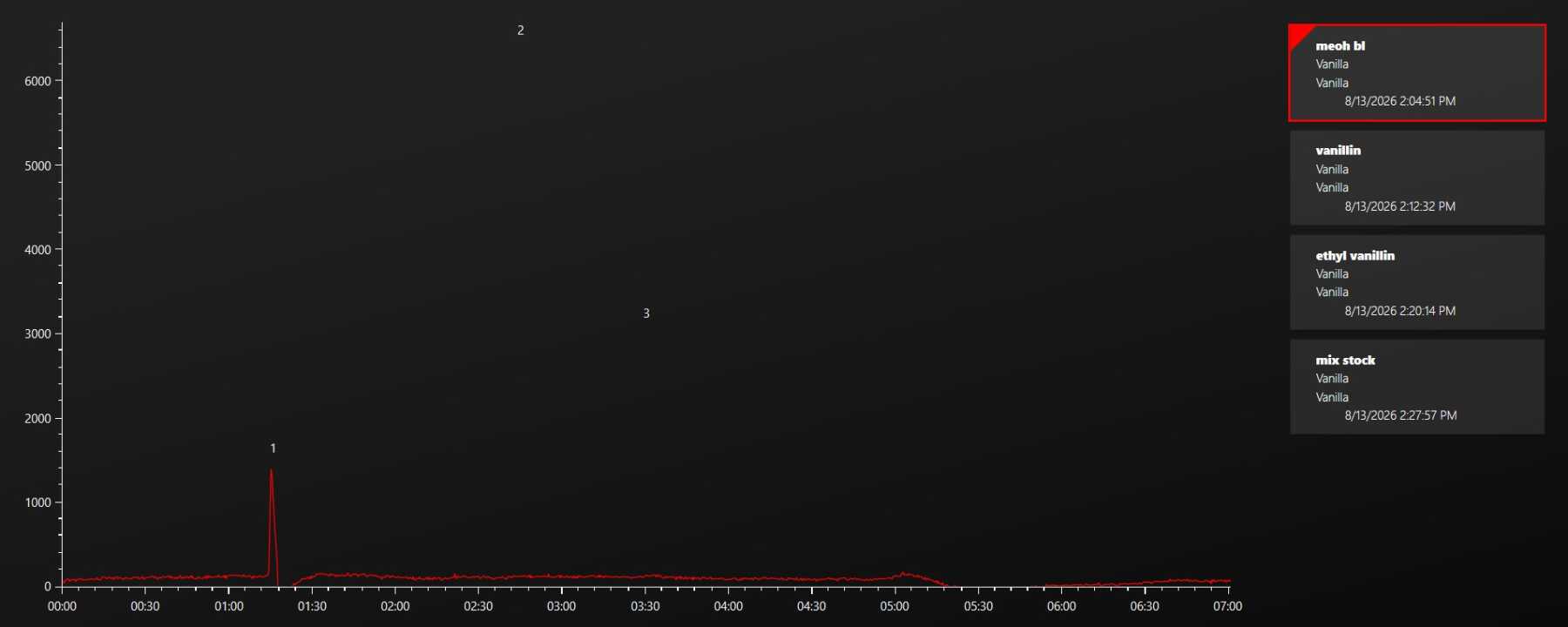
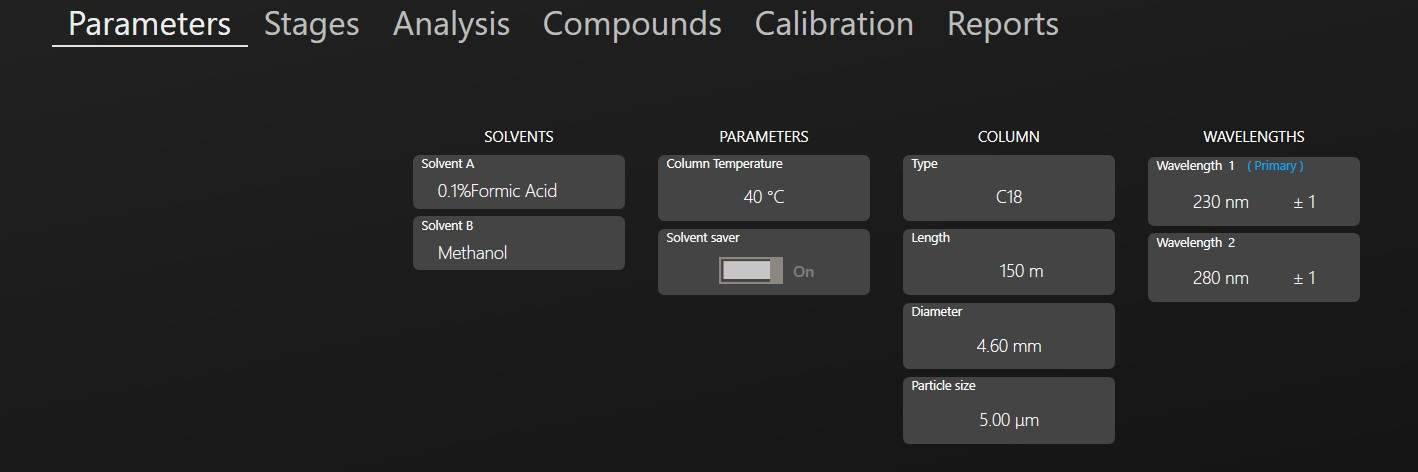
This quick method uses an isocratic gradient of 0.1% formic acid and methanol for efficient separation of vanillin and ethyl vanillin. Standards were dissolved in methanol before filtering and vialing. Good separation was achieved with at least a minute in retention time difference between the two compounds.
With the holiday season fast approaching, get your Lucidity LC-UV to analyze your vanilla for baking! Reach out to us for a quote, a virtual demo or to learn more about the Lucidity LC-UV!