Soaking up the Sunshine

I’m heading to the beach for Labor Day but I don’t want to get sunburnt so I did some research into sunscreen options. I had lots of questions, but my main one was what makes sunscreen effective against the UV rays? It’s actually the active ingredients in sunscreen that protect from UV rays and depending what type of sunscreen the active ingredients are responsible for absorbing the UV photons or reflecting them away from the body.
Through my research I also learned:
- There are two main groups of UV rays to be mindful of: UVA and UVB.
- SPF (Sun protection factor) is telling how well the sunscreen protects your skin from UVB radiation. The higher the SPF the more UVB rays blocked.
- Broad spectrum coverage- SPF only refers to the UVB rays being blocked so finding a sunscreen that says broad spectrum coverage will also provide protection from UVA rays.
I remember when I was growing up my mother would always make me reapply sunscreen while we were at the beach, but I had applied some that morning and didn’t think I needed it. I learned my lesson and was very sunburnt, so this made me question how fast the active ingredients actually degrade. So, I set up an experiment where I put sunscreen into plastic bags, spread the sunscreen very thin as if it was being applied to skin and then set the bags out on the sidewalk for preset amounts of time.
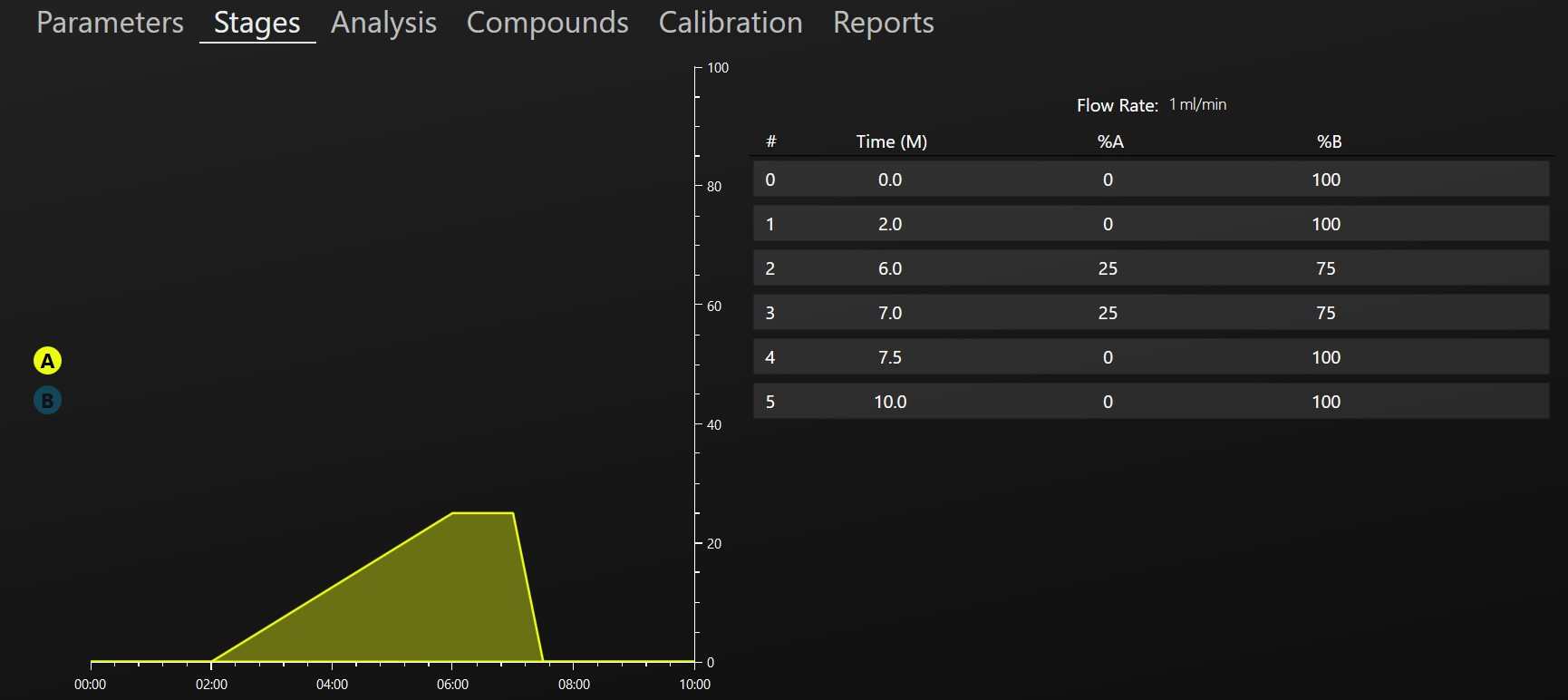
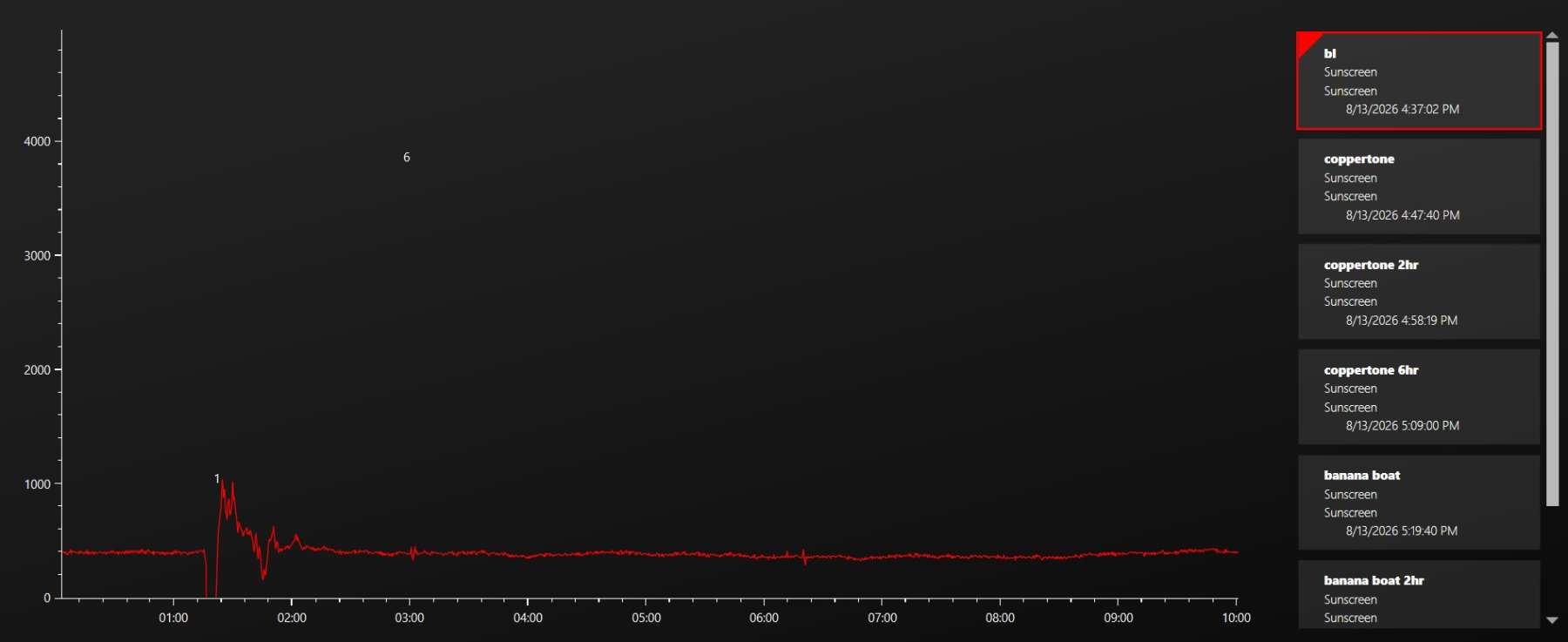
At the end of the day, I weighed about 200mg of sunscreen into a tube and dissolved in methanol. I did a 20x dilution and filtered the samples into vials. I ran the following method to compare the sun-treated samples to some fresh from the bottle.