
What is this?? MS data??

Last week we posted a fun article about testing the amount of vanillin in different samples in order to evaluate the effectiveness of extracting vanillin from vanilla beans in ethanol to use as a vanilla additive in recipes. And while we were testing different samples for vanilla, we decided to analyze one of the sample with our new Lucidity GC-MS. And guess what we saw? A pretty nice mass spectrum that matches well with the expected spectrum. We pulled Reference Spectrum 1 from the NIST Mass Spectrum (EI) database and Reference Spectrum 2 from the Food Database (foodb.ca). Reference Spectrum 2 shows a more detailed mass spectrum of vanillin so you can compare more closely how it matches the Lucidity spectrum. The Lucidity GC-MS spectrum matches the Reference Spectrum incredibly well, which gives us good confidence in the results generated by the system.

Vanillin Reference Mass Spectrum 1 from the NIST database

Vanillin Reference Mass Spectrum 2 from the Food Database (foodb.ca)
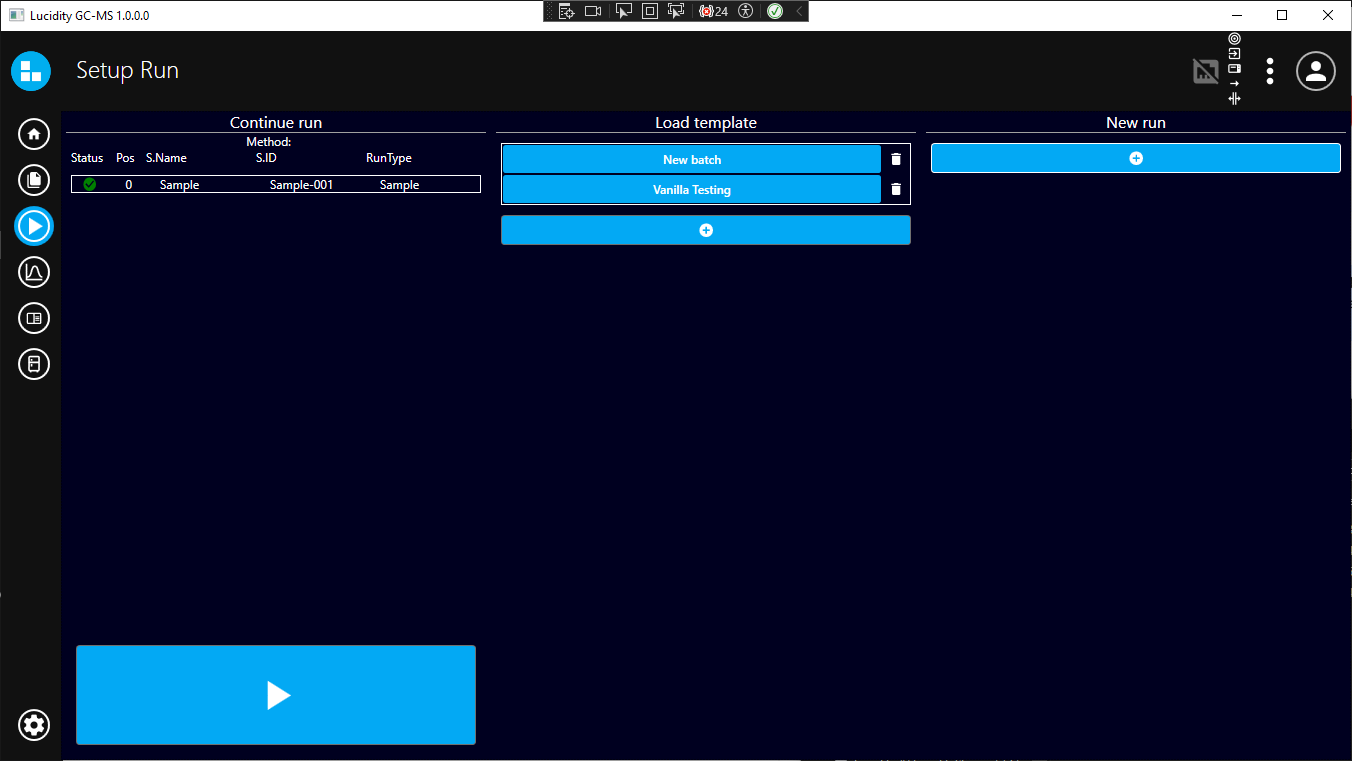
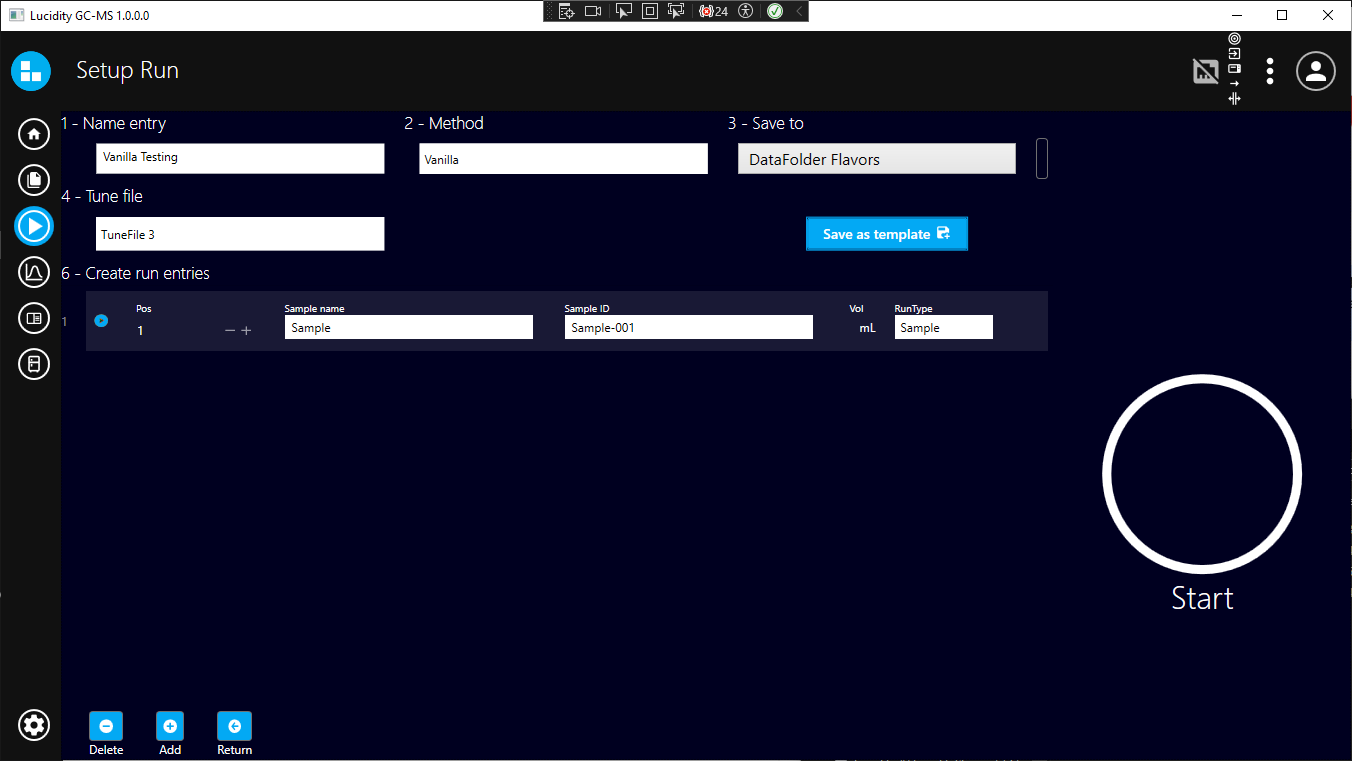
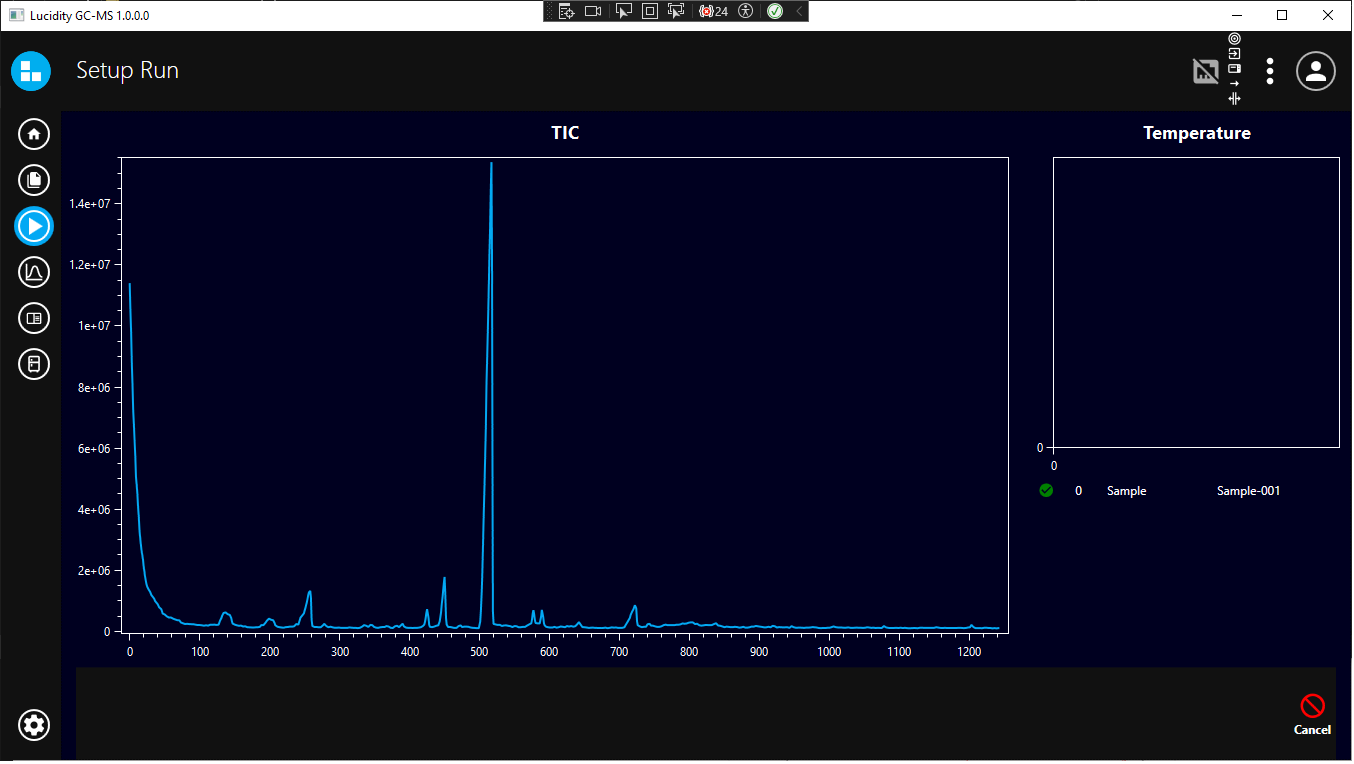
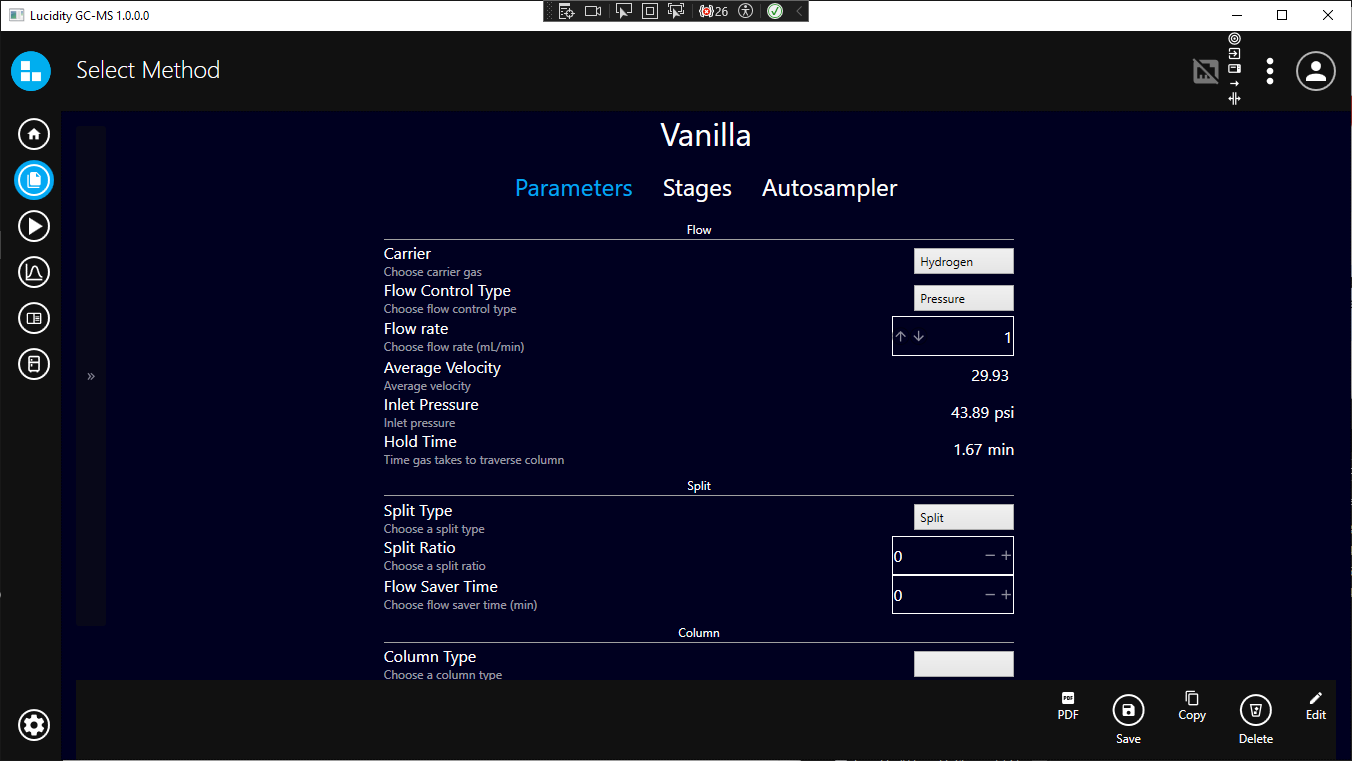
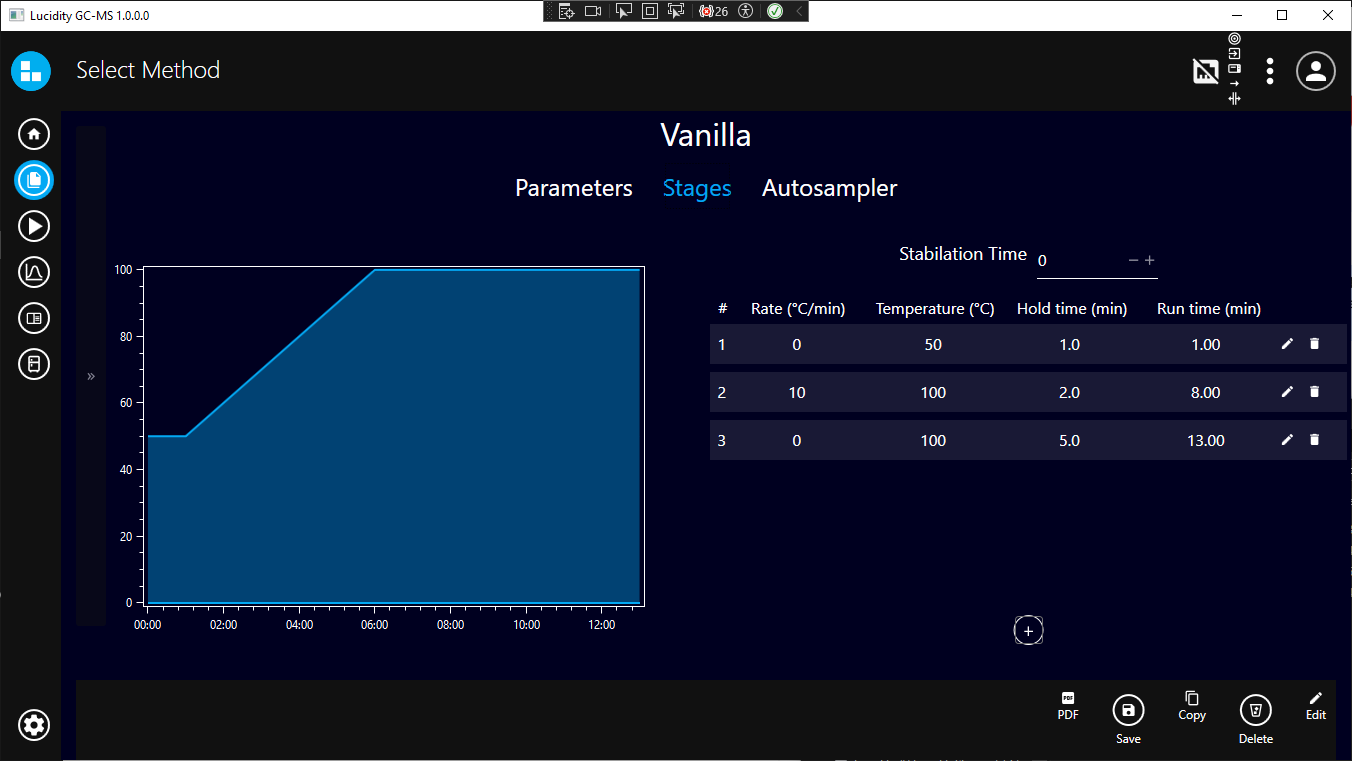
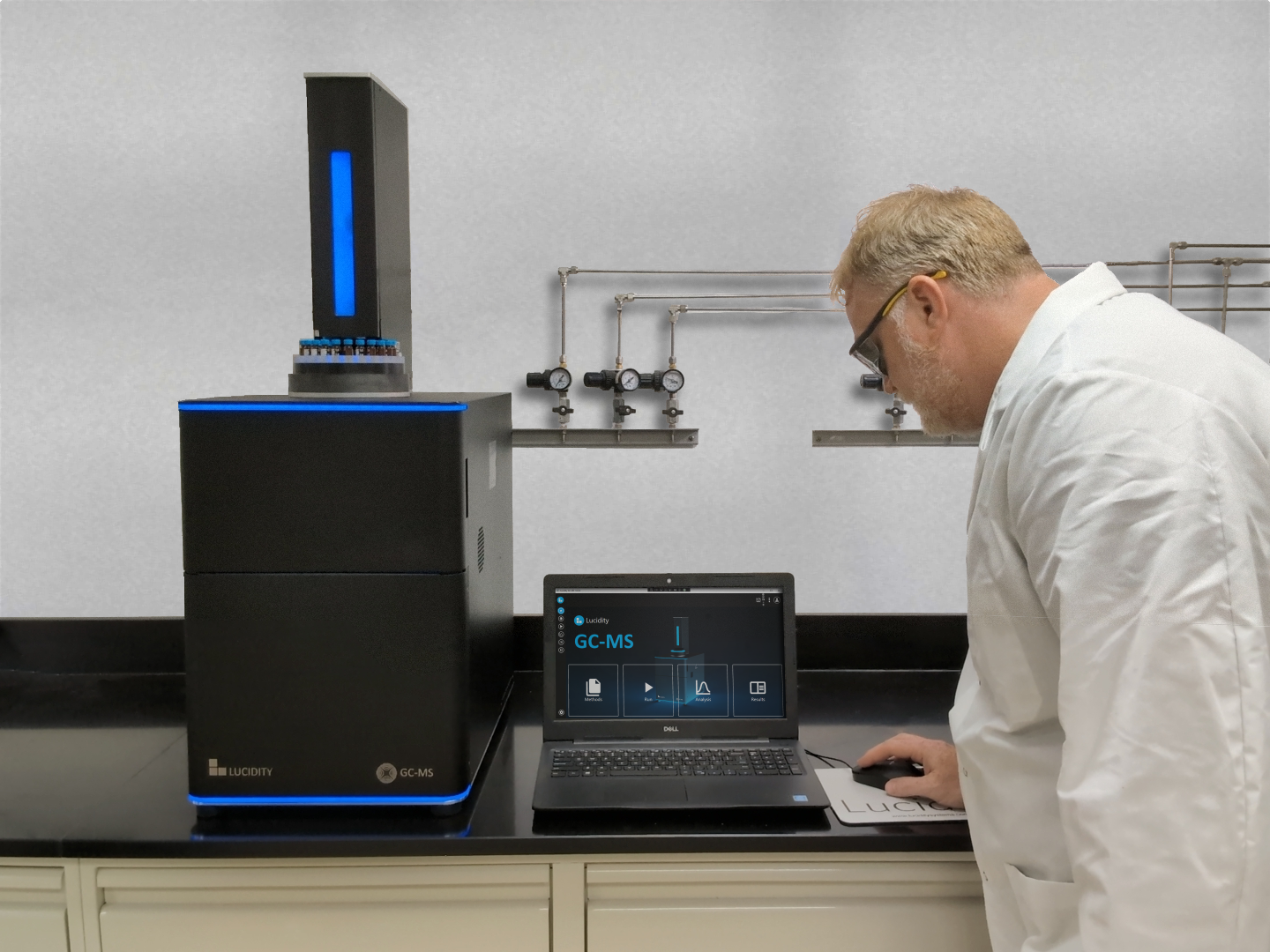
The Lucidity GC-MS is still a work in progress as you can see from the software screen shots, but what is really exciting is to see the chromatograms and mass spectra it produces and how well the spectra match reference spectra.

As is well known to anyone who is familiar with mass spec, this data helps reinforce why MS data is so powerful. It provides an extra dimension of data. Not only do you get a chromatogram (in this case based on the Total Ion Count, or TIC), but you can get additional information on each data point in your chromatogram. You can get a mass spectrum from each data point in your chromatogram over time showing a mass spectrum like the ones shown here, and these can be matched against libraries (most commonly the NIST library) or mass spectra of known compounds to give information on the compound or compounds present in each peak of the chromatogram. From a performance standpoint there is nothing new about this. This type of data has been successfully generated for decades with traditional GC-MSs. What is exciting about this new solution is that this powerful analytical technique is now available in a fraction of the size, a fraction of the price, and in an easy to use tool that can provide the same results as the traditional systems.
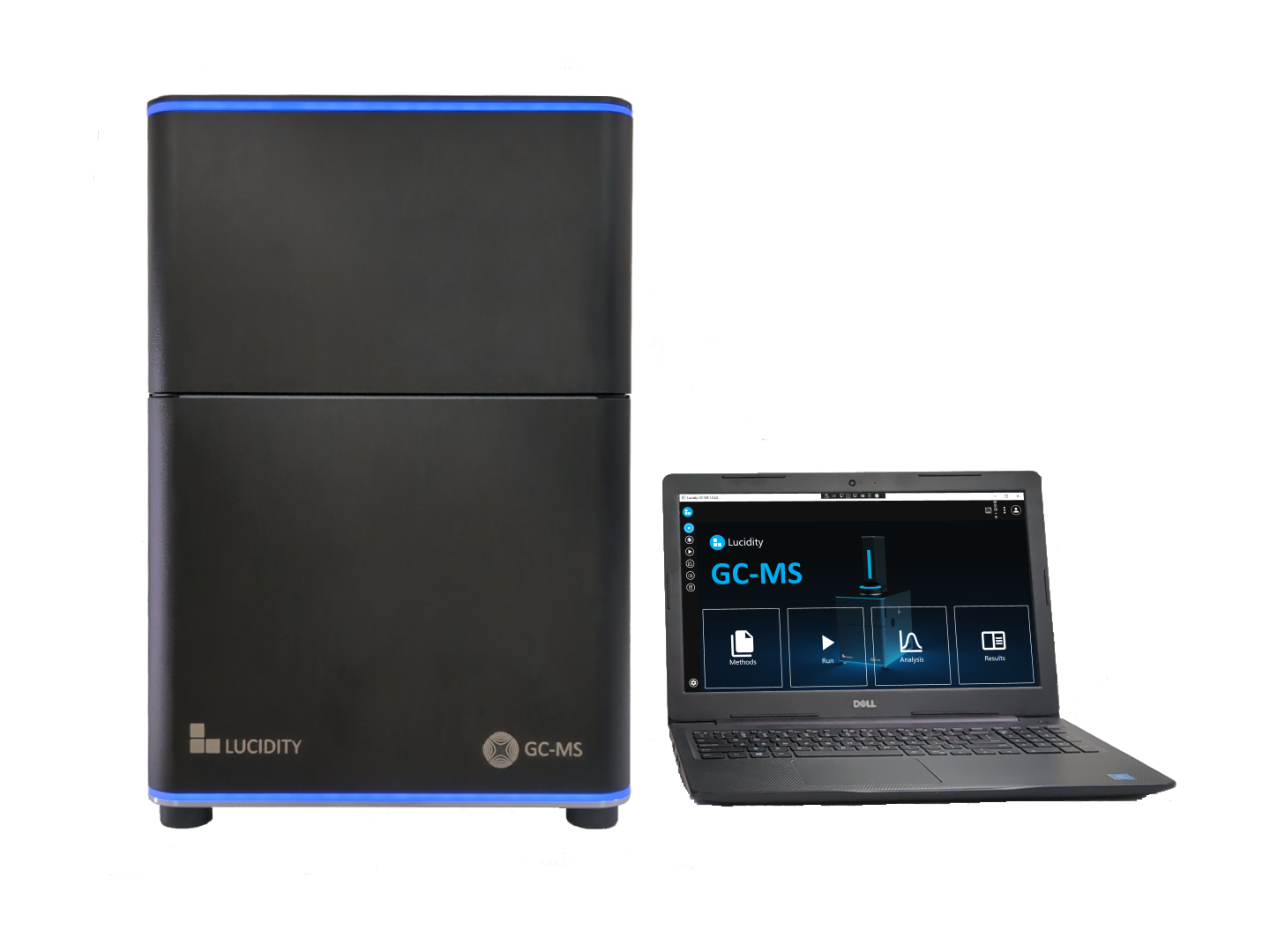
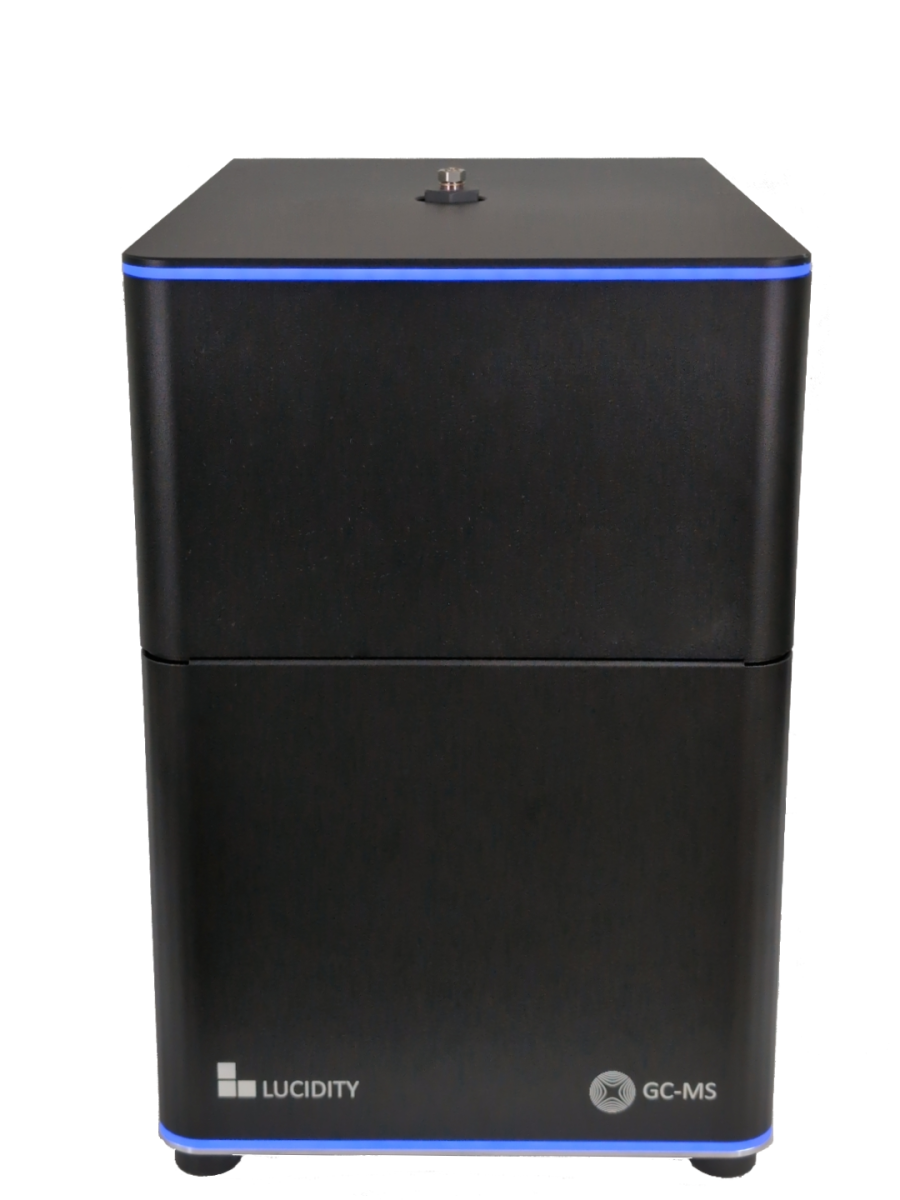
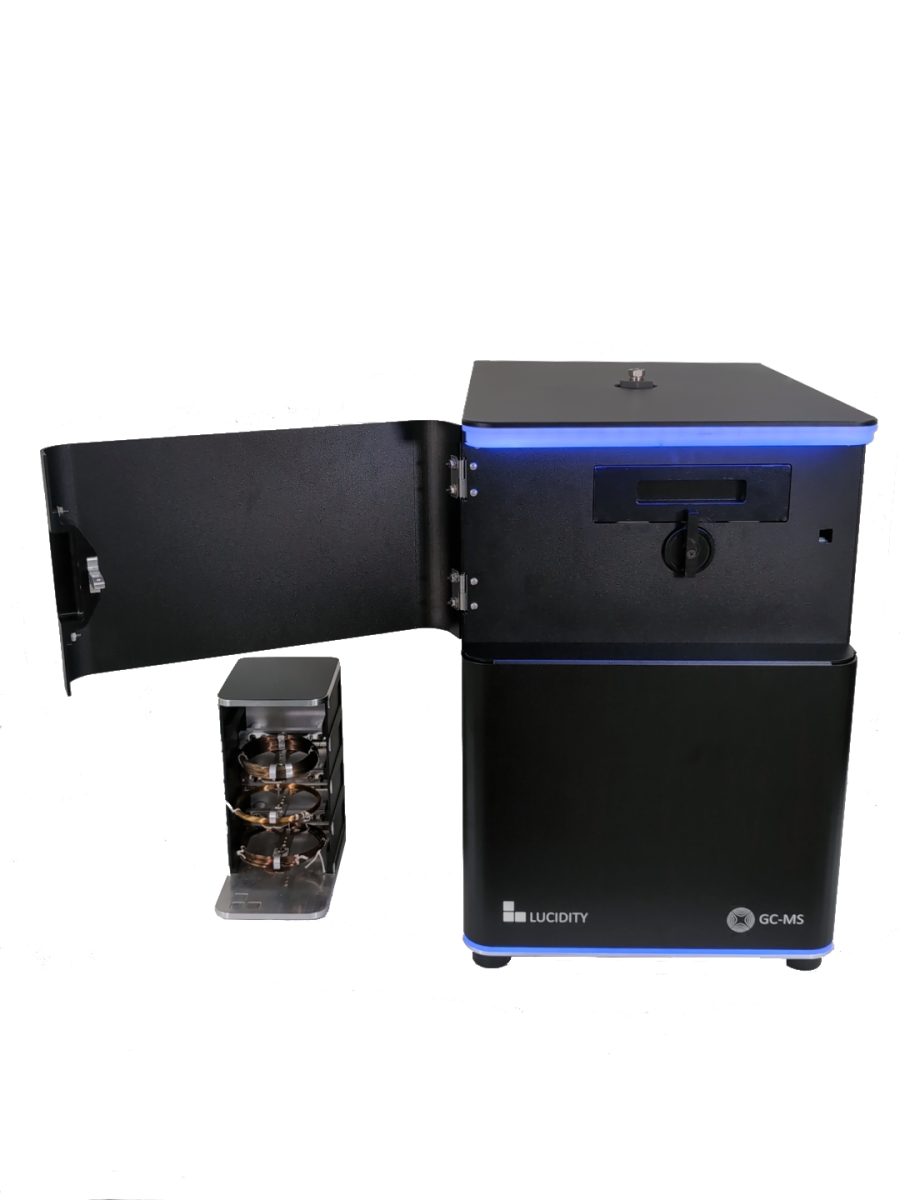
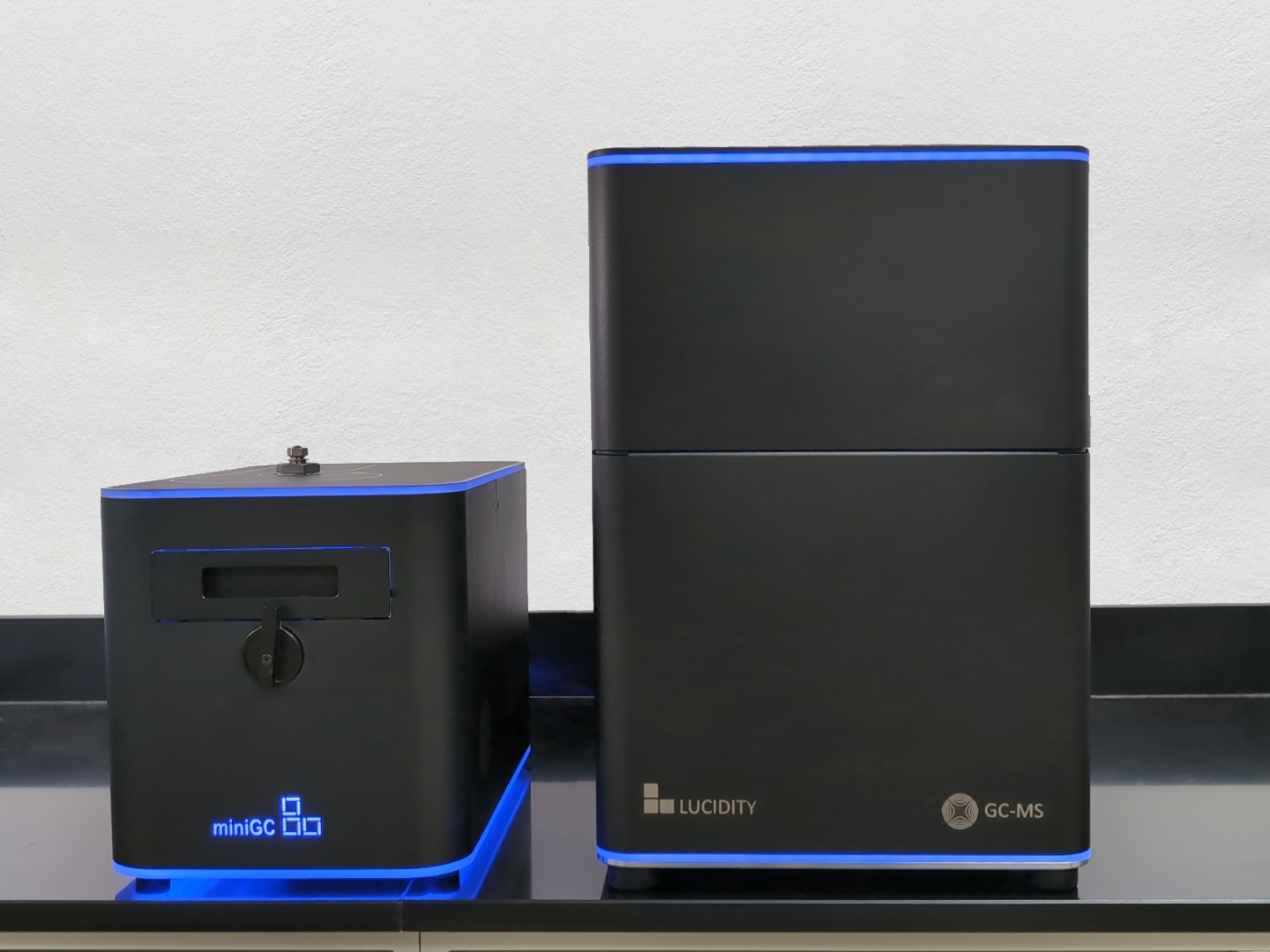
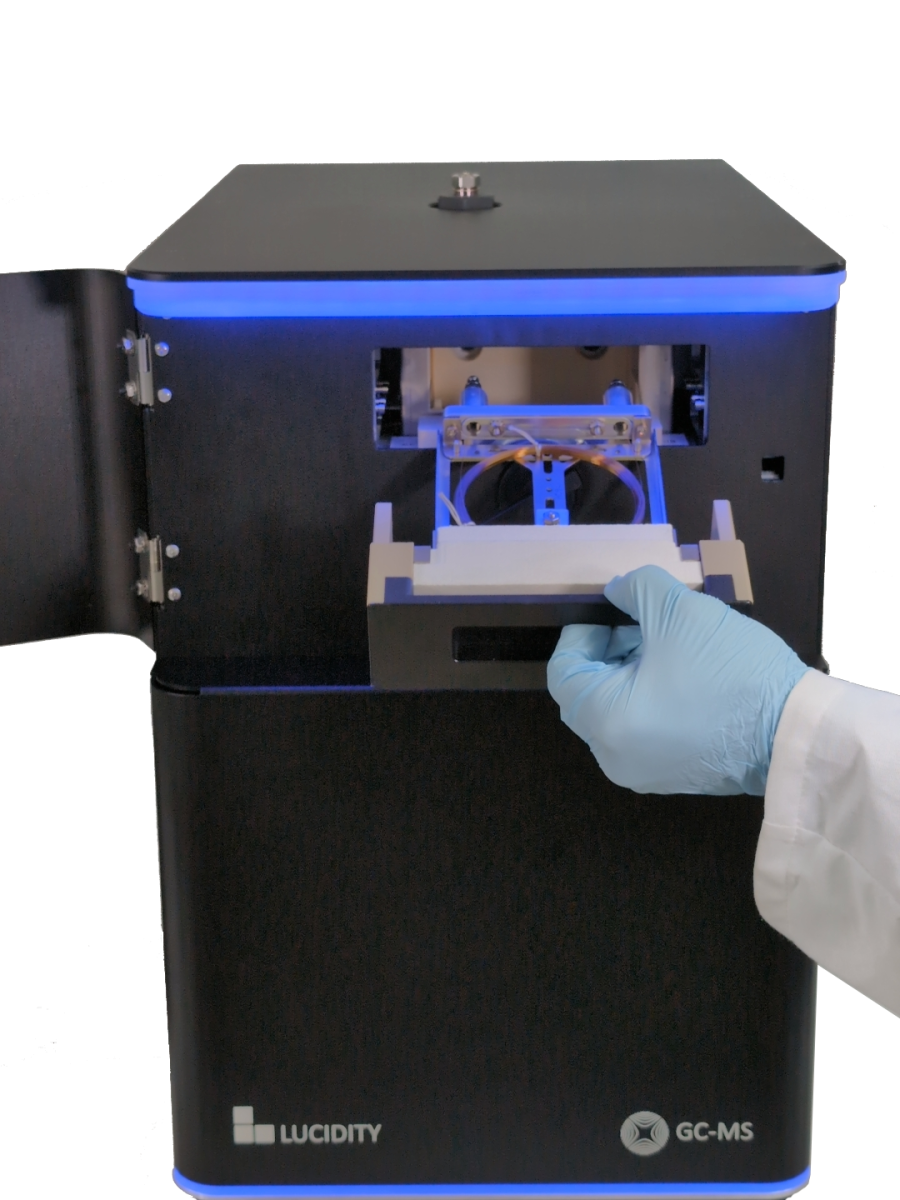
We’ve also included in this post a few extra screenshots and pics of the new Lucidity GC-MS so that you can get a feel for what the system looks like and how it operates. It’s based on the same basic architecture as our GC-FID and GC-LC, but it has been modernized and simplified even more so that you get all the power and capability of a traditional GC-MS but in modern, simplified interface built from the ground up to ensure that even a novice can successfully us a GC-MS, which has never before been the case. We’re opening up mass spec to a much broader world.
For more information, to request a quote or even a virtual demo, click on the links below.